How to Go Vegan: A 4-Week Transition Plan
Most people who go vegan and stay vegan make the change over a few weeks, not overnight. This plan moves one part of your diet at a time so it never feels like a crash diet.
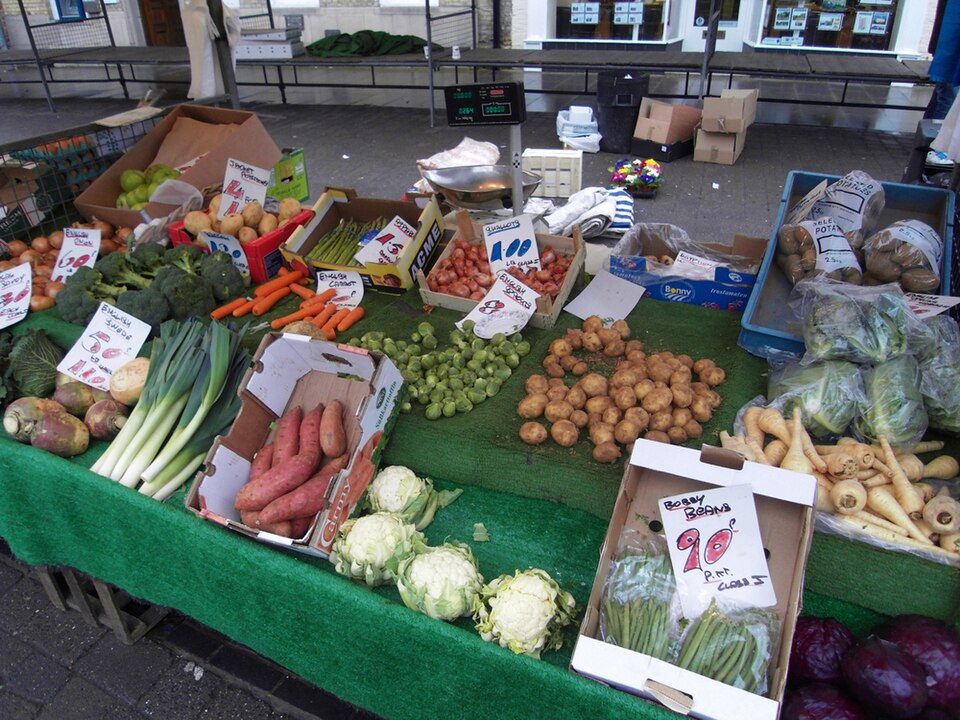
Before you start: decide why
People go vegan for animal welfare, the environment, health, or a mix of reasons. Your reason doesn't change the food, but it helps on the day a friend offers you a slice of pizza. It is worth writing it down. It is also worth deciding what "vegan" means for you at first. Some people start with food only and look at clothing and cosmetics later. The what is veganism guide explains the full definition.
Week 1: Add before you remove
Don't cut anything yet. Instead, add three vegan dinners to your normal week and find out what you like. Pick dishes that are already familiar: chili, curry, pasta with a lentil sauce, stir-fry. Our black bean chili, chickpea curry and lentil bolognese are good first choices.
This week, also start taking a vitamin B12 supplement or choose foods fortified with B12. B12 is the one nutrient you can't get reliably from unfortified plant foods, and it's easier to make it a habit from day one.
Week 2: Change breakfast and milk
Breakfast is the easiest meal to make vegan because it repeats. Try two or three plant milks and pick one: fortified soy milk is closest to dairy milk in protein, oat milk is creamy in coffee, and almond milk is light. Check that your choice is fortified with calcium. Then switch to a vegan breakfast every day, such as overnight oats, toast with peanut butter, a tofu scramble or fortified cereal.
Week 3: Make lunches and snacks vegan
Lunch is where people get caught out, especially at work. Plan for it: make an extra portion of dinner to take the next day, or keep a quick filling like chickpea salad or hummus in the fridge. Stock vegan snacks such as fruit, nuts, soy yogurt and roasted chickpeas so you're not relying on vending machines.
This is also the week to learn to read labels. Common animal ingredients include milk powder, whey, casein, egg, gelatine, honey, carmine (E120) and some vitamin D3. Many products are labeled vegan, which saves time.
Week 4: All meals, and eating out
By now most of what you eat is vegan, so make the rest switch. Plan a full week using the 7-day beginner plan or the method in how to build a vegan meal plan.
For eating out, check menus online before you go. Indian, Thai, Ethiopian, Middle Eastern, Mexican and Chinese restaurants usually have several dishes that are vegan or easy to adapt. Ask about ghee, fish sauce and egg in noodles. Chains increasingly mark vegan dishes on their menus.
Common problems in the first month
- Always hungry: you're probably eating too little protein and fat. Add beans, tofu, nuts or seeds to every meal, and eat larger portions; whole plant foods are less calorie-dense than meat and cheese.
- Bloating: a sudden jump in beans and fiber can cause gas. It usually settles within a few weeks. Increase beans gradually, rinse canned beans, and drink enough water.
- Missing cheese: this is the most common craving. Nutritional yeast, miso, olives and toasted nuts add a similar savory flavor; vegan cheeses vary widely, so try a few.
- Social pressure: offer to bring a dish to gatherings. People are usually curious rather than hostile when the food is good.
Nutrients to cover from the start
Well-planned vegan diets are considered healthy for adults by major dietetic organizations, but "well-planned" matters. Cover vitamin B12 with a supplement, use iodized salt or a supplement for iodine, consider vitamin D in winter, and eat ALA omega-3 sources such as ground flaxseed, chia seeds and walnuts. Fortified plant milks, calcium-set tofu and leafy greens help with calcium. The nutrition basics guide has the details. If you are pregnant, breastfeeding, managing a medical condition, or changing a child's diet, talk to a doctor or registered dietitian first.
Frequently asked questions
- Is it better to go vegan gradually or all at once?
- Either can work. A gradual change over a few weeks gives you time to find foods you like and learn to read labels, which makes it more likely to last.
- What should I eat in my first vegan week?
- Familiar meals with a plant protein: chili with beans, lentil bolognese, chickpea curry, stir-fry with tofu, oats or toast with peanut butter for breakfast.
- Do I need a B12 supplement when I go vegan?
- Yes, or eat foods fortified with B12 regularly. Unfortified plant foods are not a reliable source.
Sources
- NHS: The vegan diet
- The Vegan Society: Definition of veganism
- NIH Office of Dietary Supplements: Vitamin B12 fact sheet
- Melina, Craig and Levin (2016): Position of the Academy of Nutrition and Dietetics: Vegetarian Diets
This guide is general information, not medical, dietary or veterinary advice. For advice about your own diet or health, talk to a doctor or registered dietitian.
Related guides
What Is Veganism? A Plain-English Explanation
What veganism means, what vegans eat and avoid, where the word comes from, and how it differs from a plant-based or vegetarian diet.
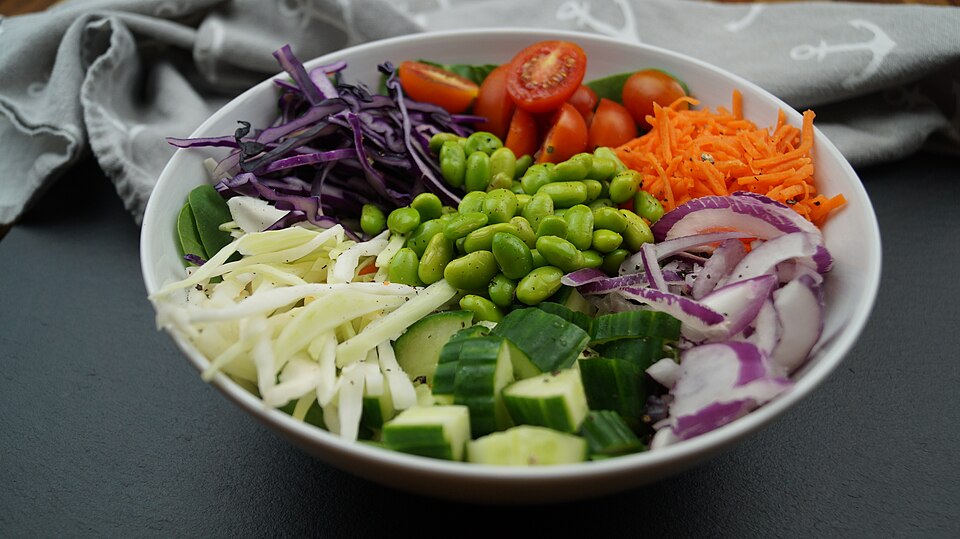
Vegan Nutrition Basics: B12, Iron, Calcium, Omega-3 and More
The nutrients a vegan diet needs to plan for: vitamin B12, vitamin D, iodine, calcium, iron, zinc, omega-3 and protein, with food sources for each.
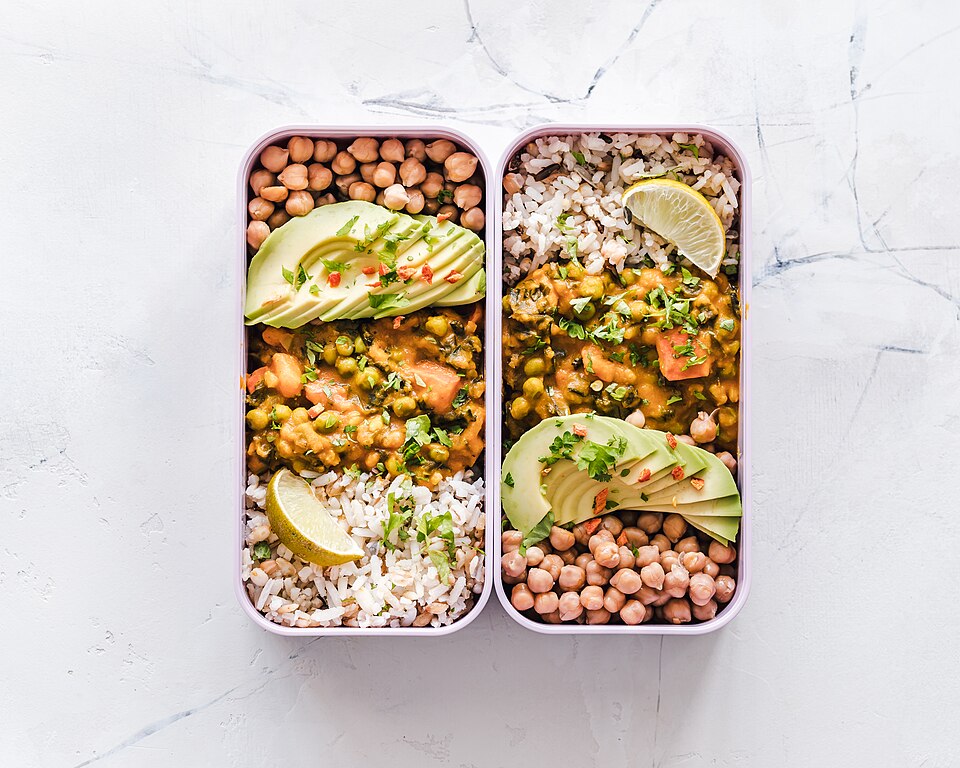

How to Build a Vegan Meal Plan That Works
A step-by-step method for planning a week of vegan meals: the plate model, batch cooking, a rotating dinner list and a shopping list you reuse.