How to Build a Vegan Meal Plan That Works
A meal plan saves time and money only if it fits the way you actually cook. This is the method behind every plan on this site, in five steps you can reuse each week.
Step 1: Start with a simple plate model
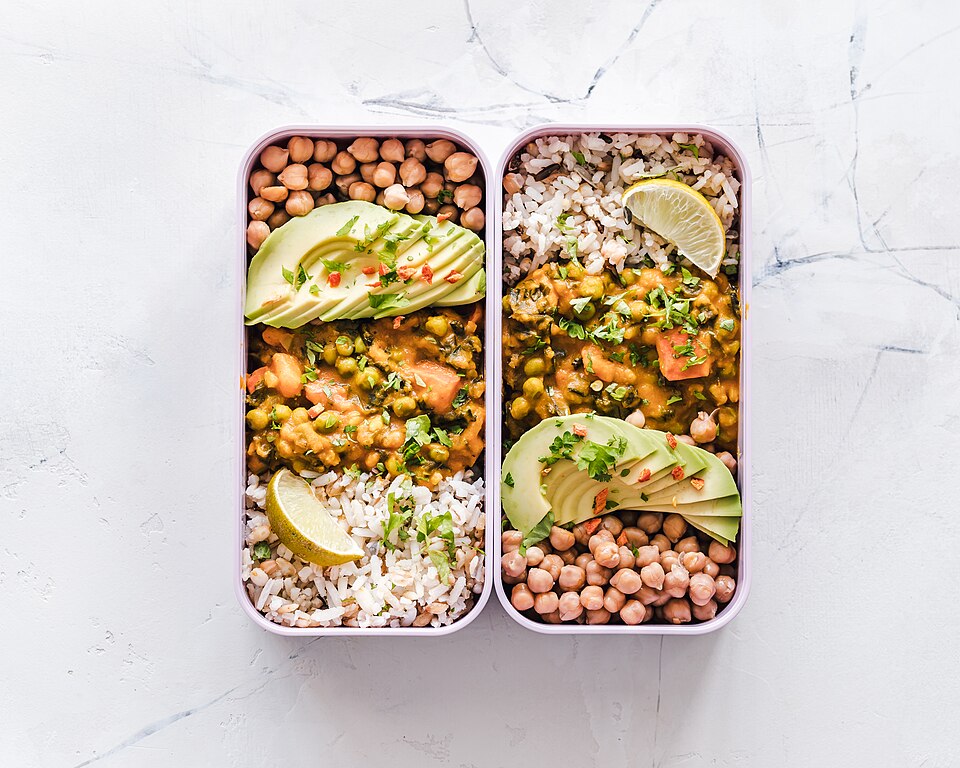
Before choosing recipes, decide what a balanced vegan meal looks like. A useful starting point is:
- A protein food: beans, lentils, chickpeas, tofu, tempeh, seitan, edamame or soy milk.
- A starchy food: whole grains, potatoes, bread or pasta, for energy.
- Vegetables or fruit: ideally half the plate, mixed colors.
- A little fat: nuts, seeds, nut butter, avocado or olive oil, for flavor and to help absorb some vitamins.
If most lunches and dinners follow that pattern, the week will be reasonably balanced without counting anything. The protein food is the one people new to vegan eating tend to forget. A salad with a few croutons won't keep you full until dinner; the same salad with a cup of chickpeas will.
Step 2: Pick three or four dinners, not seven
Most plans fail because they ask for a different recipe every night. Choose three or four dinners that make generous amounts, and plan to eat each one twice: once for dinner and once as a lunch or second dinner. Soups, chilis, curries, stews and pasta sauces work best because they keep and reheat well. Stir-fries and pizza are better fresh.
A good mix for one week is one lentil dish, one bean dish, one tofu or tempeh dish, and one "fun" meal such as pizza or tacos. On this site that might be red lentil soup, black bean chili, peanut tofu stir-fry and veggie pizza.
Step 3: Make breakfasts and snacks automatic
Breakfast doesn't need variety. Choose one or two make-ahead options and repeat them: overnight oats and chia pudding both keep for three to four days, and a smoothie takes two minutes. For snacks, keep fruit, nuts, hummus with vegetables, and soy yogurt in stock and you won't need to plan them at all.
Step 4: Write one shopping list and one prep session
Write down every ingredient for the week's recipes, then group them by where they are in the shop: produce, cans, dry goods, fridge and freezer. Check your cupboard before you go. Spices, oils and grains last for months, so most weeks you only buy fresh food and a few cans.
Then block out one cooking session, usually on Sunday, of 60 to 90 minutes. Cook two of the big dinners at the same time, make the breakfasts, and wash and chop salad vegetables. Midweek, you will mostly reheat. The vegan grocery list shows the staples worth keeping in stock.
Step 5: Keep a rotation
After a few weeks you'll have 10 to 15 dinners your household likes. Keep them on a list on the fridge and rotate through them, adding one new recipe a week. This is how experienced home cooks plan, and it is far less work than starting from a blank page every Sunday.
Food safety for batch cooking
Cool cooked food quickly, within about two hours, and refrigerate it in shallow containers. Most cooked dishes keep safely for three to four days in the fridge; freeze anything you won't eat in that time. Reheat leftovers until steaming hot all the way through, and reheat rice only once.
Nutrients to keep in mind
A varied vegan plan covers most nutrients, but a few need planning: vitamin B12 (from a supplement or fortified foods), iodine, vitamin D, calcium, iron and omega-3 fats. The nutrition basics guide covers each one and which foods to build into your week.
Ready-made plans
If you would rather start from a finished week, the meal plans use exactly this method: the beginner plan, budget plan, high-protein plan and family plan each come with a shopping list and a prep schedule.
Frequently asked questions
- How many recipes do I need for a weekly vegan meal plan?
- Three or four dinners that you cook in large batches, one or two breakfasts and a few snacks are enough for most people. Each dinner covers two meals.
- How long do vegan meals keep in the fridge?
- Most cooked soups, stews, curries and sauces keep for three to four days in a sealed container in the fridge. Freeze anything you won't eat in that time.
Sources
This guide is general information, not medical, dietary or veterinary advice. For advice about your own diet or health, talk to a doctor or registered dietitian.
Related guides
Vegan Nutrition Basics: B12, Iron, Calcium, Omega-3 and More
The nutrients a vegan diet needs to plan for: vitamin B12, vitamin D, iodine, calcium, iron, zinc, omega-3 and protein, with food sources for each.
How to Go Vegan: A 4-Week Transition Plan
A practical 4-week plan for going vegan: what to change each week, what to buy, which nutrients to cover, and how to handle eating out.

Vegan Cooking Tips: 12 Techniques That Make Food Taste Better
Practical vegan cooking tips: building savory flavor without meat, cooking tofu and beans properly, egg and dairy swaps, and stocking a vegan kitchen.